


Description
Central Locking is a vehicle access accessory designed to provide convenient locking and unlocking of multiple vehicle doors through a centralized system. It can help simplify everyday vehicle access by allowing compatible doors to be operated together instead of requiring each door to be locked or unlocked individually. Central Locking is a practical option for vehicle owners looking to add or replace a centralized door-locking system.
Manual door locking can be inconvenient, especially when entering or leaving a vehicle with multiple doors. Central Locking helps address this by coordinating the locking mechanism across compatible doors. Depending on the system and vehicle configuration, the doors can be controlled through a remote control, switch, or other compatible control method.
The system can be useful for cars, vans, pickups, and other compatible vehicles. Compatibility depends on the vehicle’s existing door-lock mechanism, electrical system, door configuration, and the specific central locking kit. Users should confirm compatibility before installation to ensure that the components are suitable for the intended vehicle.
Central Locking can provide greater convenience during everyday driving. When leaving the vehicle, the user can activate the system to secure compatible doors through the centralized control. When returning to the vehicle, the same system can make it easier to unlock the doors without manually operating each lock.
A centralized locking system can also help simplify vehicle access when carrying passengers. Instead of manually unlocking several doors, the compatible doors can be controlled together. This can be particularly useful for family vehicles, taxis, service vehicles, and other vehicles that frequently carry multiple passengers.
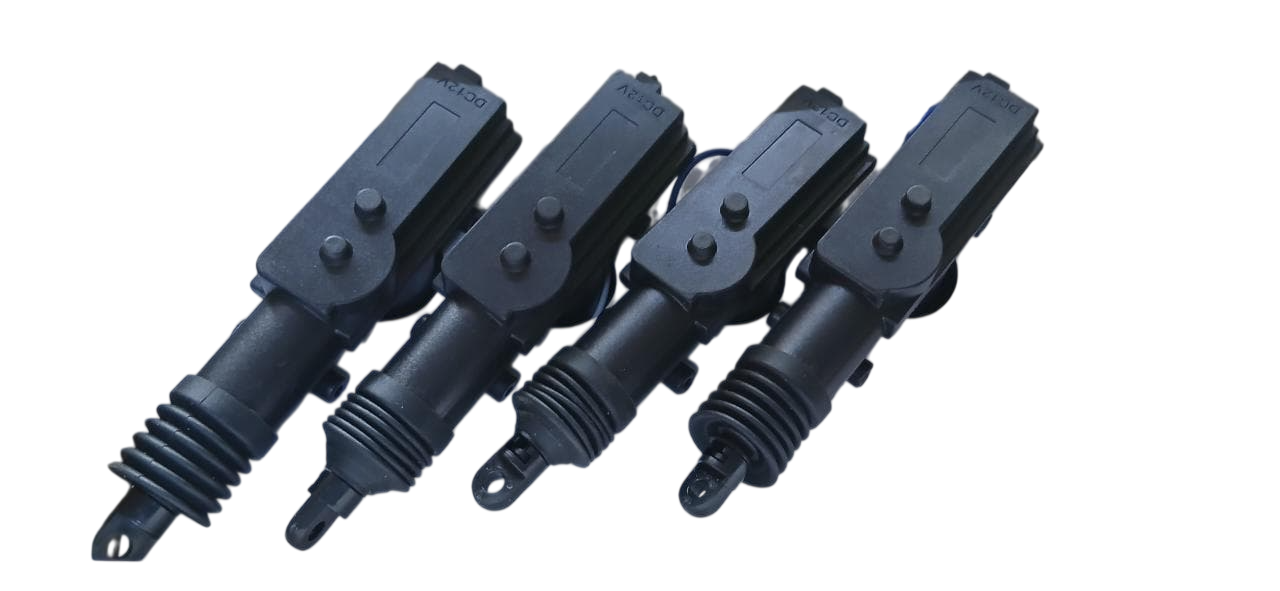
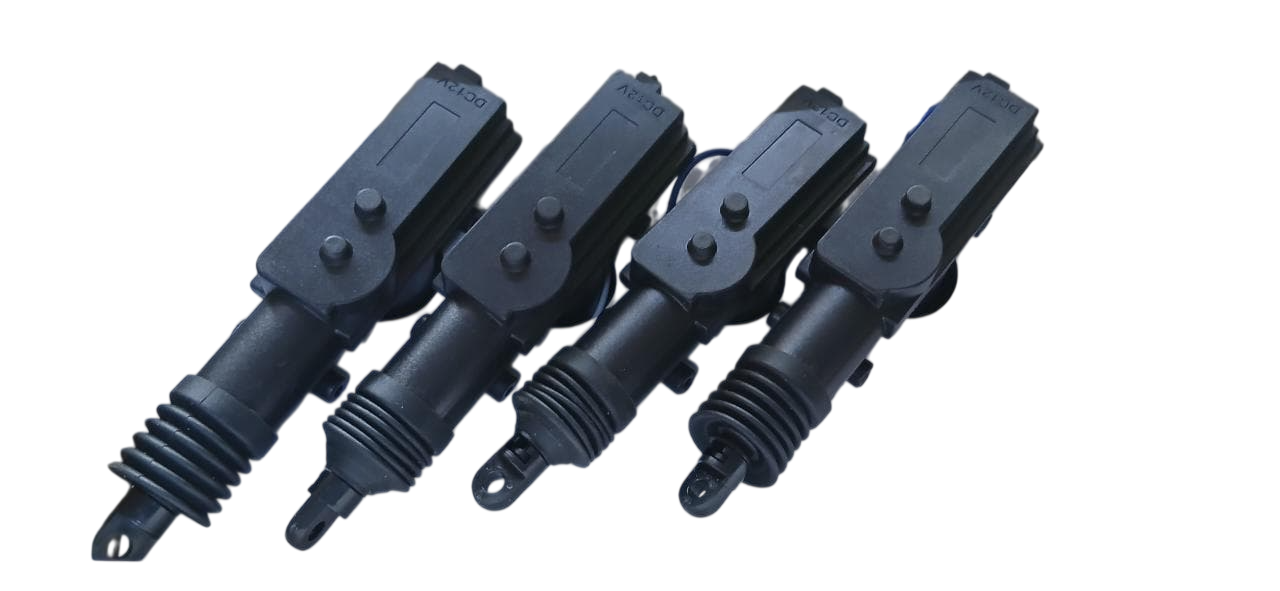
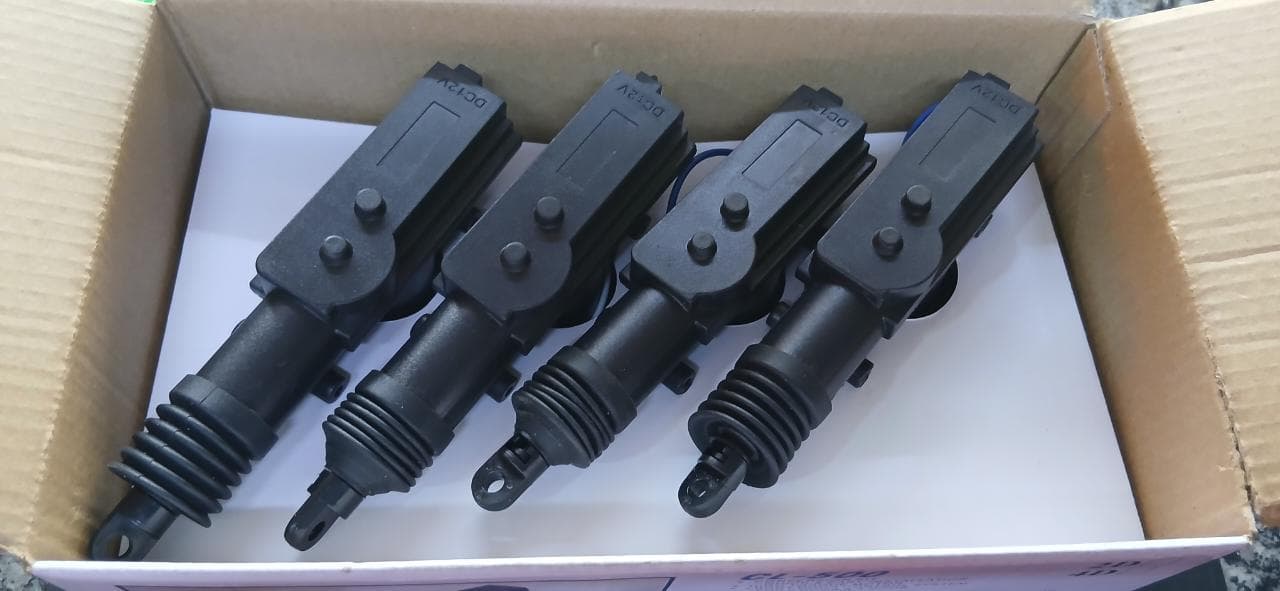
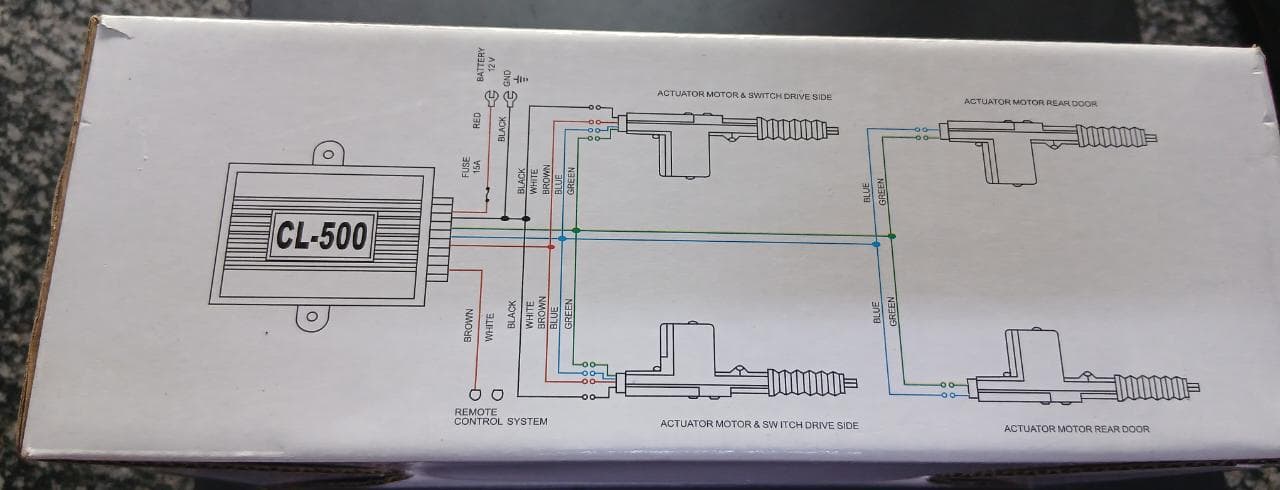
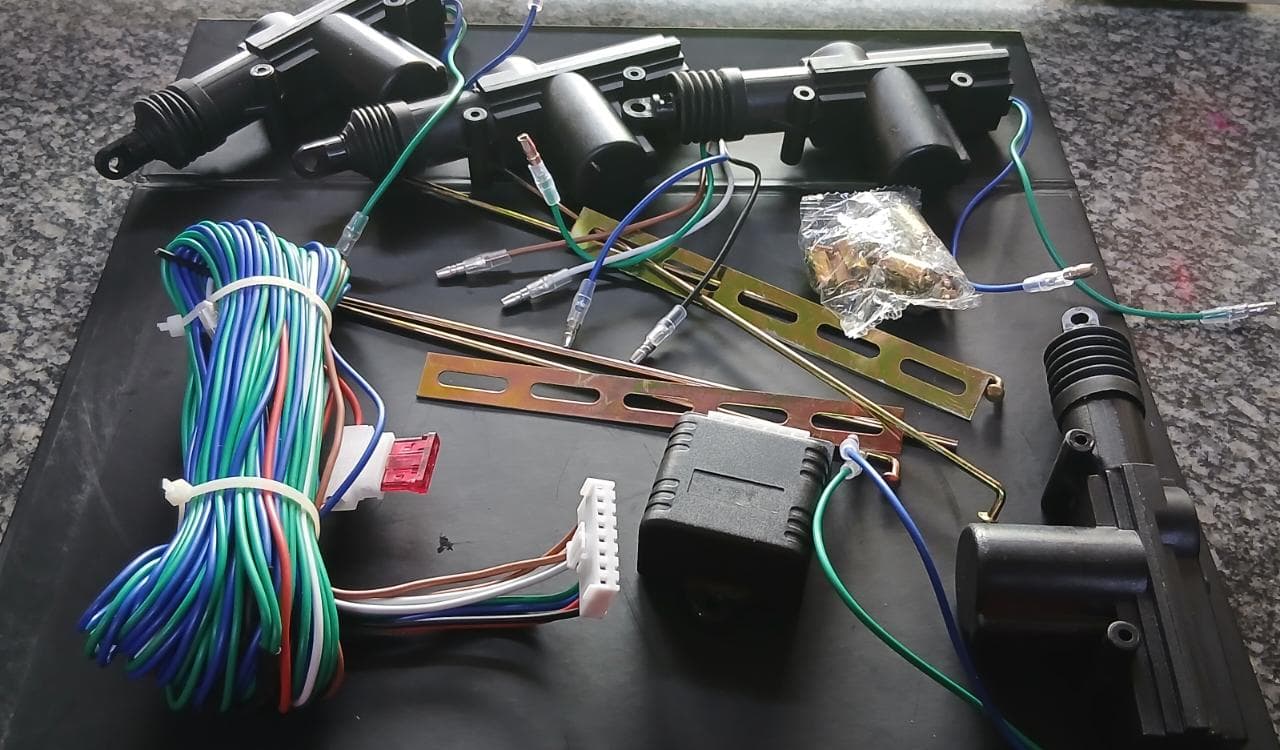
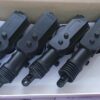
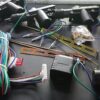
Depending on the specific system, Central Locking may include components such as door actuators, control modules, wiring, switches, and remote controls. The exact components and configuration vary between kits. Some systems are designed for vehicles that already have compatible locking mechanisms, while others may require additional components for complete installation.
The system works by sending an electrical signal to the compatible door-lock actuators. These actuators move the locking mechanism when the system receives the appropriate command. Correct installation and adjustment are important because the actuator must have sufficient movement to operate the vehicle’s existing lock mechanism without excessive resistance.
Central Locking can be useful when replacing damaged or worn components in an existing centralized locking system. It may also be suitable for vehicles that do not currently have convenient centralized door locking, provided the selected kit is compatible and can be properly installed.
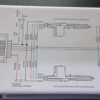
Professional installation can be recommended, particularly when the system requires connection to the vehicle’s electrical wiring or integration with existing door-lock components. Incorrect wiring can cause malfunction or electrical problems. Installation should follow the supplied instructions and the vehicle manufacturer’s wiring requirements where applicable.
The door actuators should be mounted securely inside the vehicle doors and positioned so that they can operate the lock mechanism smoothly. Wiring should be routed carefully and protected from sharp edges, moving components, excessive heat, and moisture. Door panels and trim should also be refitted correctly after installation.
One of the key benefits of Central Locking is improved convenience. Centralized control reduces the need to operate individual door locks manually and can make securing the vehicle faster and easier. It can also provide a more organized approach to vehicle access.
For vehicles used frequently throughout the day, centralized locking can be particularly practical. Drivers can secure compatible doors quickly when parking at shops, workplaces, residential areas, or other destinations. This makes the system useful for both personal and commercial vehicle applications.
Maintenance is generally limited to checking the system when necessary. Users should monitor the operation of the locks and investigate unusual sounds, slow actuator movement, intermittent locking, or failure of one or more doors. Electrical connections should remain secure and protected from moisture and corrosion.
If one door stops responding while the others continue operating normally, the issue may involve the individual actuator, wiring, linkage, or mechanical lock mechanism. If the entire system stops working, the control module, power supply, fuse, remote control, or related wiring may require inspection.
Central Locking should be installed without interfering with the vehicle’s other safety systems. Door mechanisms must continue to operate correctly from the inside, and installation should not obstruct emergency exits, child-safety mechanisms, window operation, airbags, or other factory equipment.
The system can provide a useful upgrade for vehicles where centralized access is desired. It can also support replacement of worn components in an existing setup, depending on the design and compatibility of the replacement parts.
Overall, Central Locking provides a convenient way to control compatible vehicle door locks through a centralized system. It can simplify vehicle access, reduce manual locking tasks, and improve everyday usability for drivers and passengers. With the correct vehicle compatibility, proper components, and careful installation, it can be a practical addition or replacement for a vehicle’s door-locking system.


Reviews
There are no reviews yet.