

Description
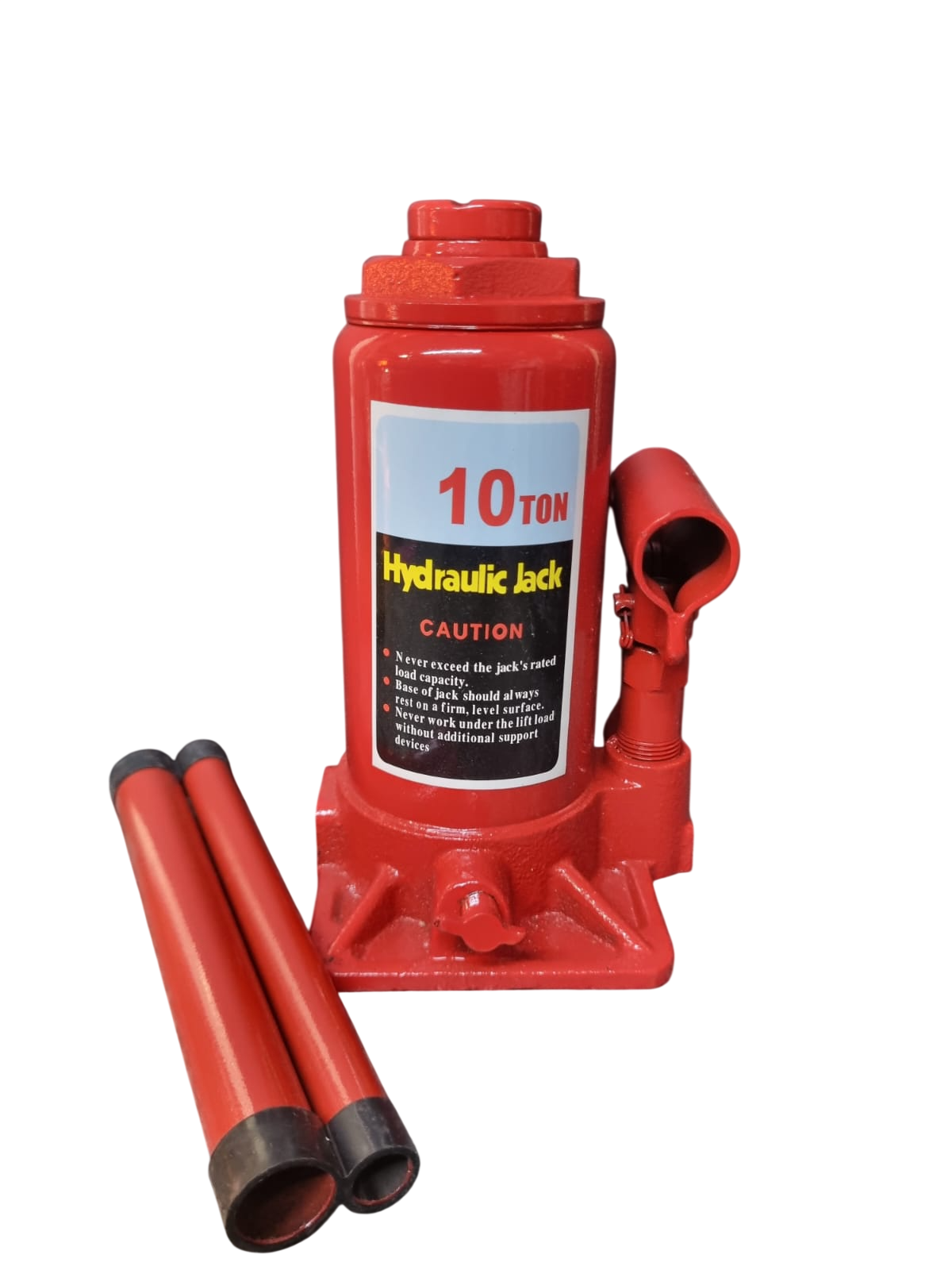
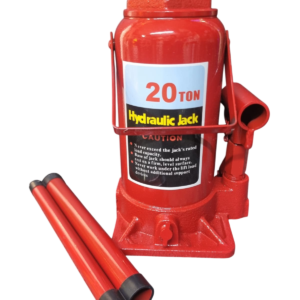
Hydraulic Jack 10T is designed for lifting compatible vehicles, machinery, trailers, and heavy equipment in garages, workshops, service centers, and maintenance environments. With a 10-ton rated lifting capacity, this hydraulic jack provides substantial lifting capability for applications that require more capacity than standard passenger-vehicle jacks. Its hydraulic mechanism converts manual pumping into lifting force, providing a practical and controlled method for raising compatible loads when used correctly.
The Hydraulic Jack 10T is suitable for a variety of heavy-duty lifting applications. It can be used with compatible commercial vehicles, trucks, trailers, agricultural equipment, machinery, and other loads that fall within its rated capacity. The actual application should always be checked against the equipment manufacturer’s requirements, including the load weight, approved lifting points, ground conditions, and required lifting height.
The hydraulic lifting mechanism is designed to make raising heavy loads more manageable. When the jack is correctly positioned beneath an approved lifting point, the pump mechanism applies hydraulic pressure to the lifting cylinder. This produces controlled upward movement and allows the operator to raise the load to the required working position. The 10-ton capacity provides a useful balance between lifting capability and practical workshop handling.
Built for demanding maintenance environments, the jack features a robust construction intended for repeated use when properly operated and maintained. Its solid body and hydraulic components are designed to withstand the forces associated with heavy lifting. Regular inspection is important to identify hydraulic leaks, damaged seals, worn components, or other conditions that could affect reliable operation.
The compact hydraulic design makes the jack practical for workshops, garages, fleet maintenance facilities, agricultural service areas, and other locations where heavy loads may need to be lifted. It can be positioned beneath compatible lifting points as required, provided the surface is firm, level, and capable of supporting the combined load of the equipment and vehicle or machinery being lifted.
Correct positioning is essential when using a Hydraulic Jack 10T. Before lifting, ensure the load is stable and the jack is placed directly beneath an approved lifting point. The ground should be firm and level to reduce the risk of movement. The jack should only be used within its rated capacity, and the load should never be supported by the hydraulic jack alone while work is being performed underneath it.
For maintenance work beneath a raised vehicle or machine, appropriately rated jack stands or other approved mechanical support equipment should be used after lifting. The hydraulic jack is intended for lifting rather than serving as the sole long-term support. Keeping people clear of the lifting area and following the manufacturer’s operating instructions are essential parts of proper use.
Maintenance helps preserve the jack’s hydraulic performance and service life. Keep the equipment clean and inspect it before each use. Check for oil leakage around the hydraulic cylinder, seals, valves, and connections. Hydraulic fluid should be checked and maintained according to the manufacturer’s specifications. Do not operate the jack if there are visible cracks, hydraulic leaks, damaged components, or abnormal movement.
The Hydraulic Jack 10T provides a practical lifting solution for mechanics, technicians, fleet operators, agricultural users, and workshop professionals who require substantial lifting capacity. Its hydraulic operating system provides controlled lifting while its heavy-duty construction makes it suitable for demanding maintenance applications within the specified load rating.
Combining a 10-ton rated capacity, hydraulic lifting mechanism, robust construction, and practical workshop design, the Hydraulic Jack 10T is a useful tool for compatible heavy-duty lifting tasks. Proper load assessment, correct positioning, regular inspection, and appropriate support equipment are essential for safe and effective use.




 Modulator Phone Charger
Reviews
There are no reviews yet.